Harissa Kashmir: What It Is, Where To Eat It And When To Go
Key takeaways
- Harissa is a slow-cooked mutton and rice dish that Kashmiris eat for breakfast from October to March.
- The old city of Srinagar is the traditional hub, and shops get busy from dawn.
- For harissa and snow in one trip, plan late December to January.
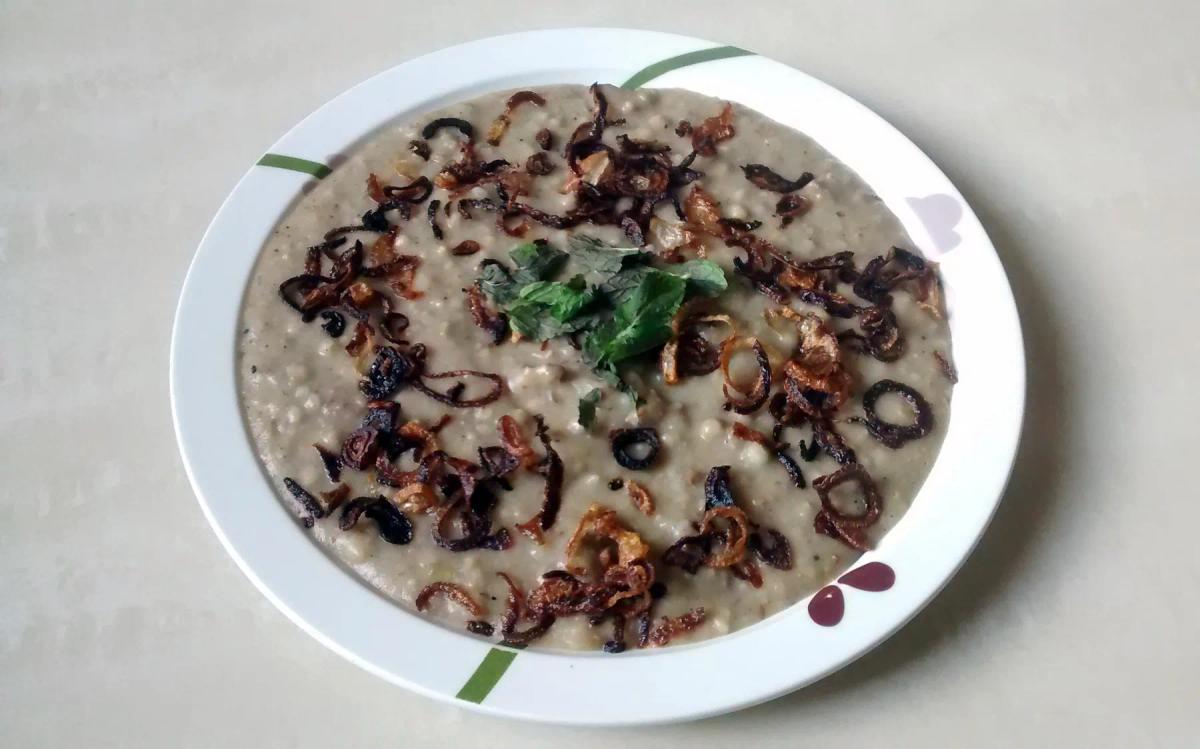
Harissa Kashmir is a slow-cooked winter breakfast of mutton and rice, simmered overnight in clay pots and beaten into a thick, savoury porridge. Shops in downtown Srinagar serve it at dawn, usually from October to March, with hot oil, kebabs and fresh bread.
If you visit in winter, this is the meal locals will tell you to wake up early for. This guide explains what harissa is, how cooks make it, where to eat it and how to fit it into your trip. For the rest of the menu, start with our Kashmiri food guide.
Harissa At A Glance
| Question | Answer |
|---|---|
| What is it? | Slow-cooked mutton and rice, blended into a thick paste |
| Cooking time | About 12 to 16 hours, depending on the maker |
| Season | October to March |
| Served | Early morning, with hot oil, kebabs and bread |
| Main hub | Old-city Srinagar, around Ali Kadal and Saraf Kadal |
| Is it spicy? | No. Cooks use mild spices |
What Is Harissa In Kashmir?
Harissa in Kashmir is a thick, slow-cooked dish of mutton and rice, seasoned with mild spices and eaten at breakfast in winter. Cook it for 12 to 16 hours until the meat blends into a smooth paste. It is a Kashmiri comfort food, not a chilli sauce.
Expect a savoury, soft porridge of meat, topped with hot oil. You eat it with bread, not with a spoon alone.
Where does it come from? Nobody knows for certain. Greater Kashmir notes that the exact origin and arrival date remain unknown. Some accounts credit the 14th-century Sufi saint Mir Syed Ali Hamdani, others the Mughals, and historian Gulshan Majeed, a former director of Kashmir University’s Centre of Central Asian Studies, points to the Valley’s old links with Central Asia. The popular tale of an Afghan governor who ate harissa until he died is folklore, so treat it that way.
Why does it matter socially? Harissa travels with weddings. In many families, the groom sends a pot to the bride’s family. Food writer Dhanya Samuel calls it a “food dowry” for newly married daughters.
How Do Cooks Make Kashmiri Harissa?
Cooks make harissa from mutton, rice and whole spices, cooked overnight in a clay pot over a wood fire so it is ready at dawn.
- The cook trims the fat from the mutton.
- The meat goes into an earthen pot with Kashmiri rice, water and whole spices such as cardamom and cinnamon.
- The pot cooks through the night over a wood fire.
- The cook stirs constantly with a long wooden ladle, separates the bones and breaks the meat down into a paste.
- Just before serving, the cook pours hot oil over each plate.
The effort is real. The Kashmir Walla reported that 80-year-old Ghulam Mohammad Bhat and his son cook 50 kg a day over a 14-hour shift. Another downtown cook told Scroll that making harissa is “a 24-hour job.” Shop owner Mohammad Shoaib told the People’s Archive of Rural India: “Three years ago, I sold 75 kilograms in one day!”
Variations: Some customers order harissa with almonds, and cooks use milk instead of water on special occasions. Home cooks shorten the process. Dhanya Samuel’s 2014 recipe uses a pressure cooker and rice flour, and she says it is not fully traditional. That is a fair home version, but it is not what you taste in an old-city shop.
When Is Harissa Season In Kashmir?
Harissa season runs from October to March, once the weather turns cold. Some Srinagar shops open in mid-October. Demand peaks during Chillai Kalan, the 40-day cold spell that starts on 21 December and ends around 30 January.
| Period | What to expect |
|---|---|
| Mid-October to November | Shops open as the first chill arrives |
| December to January | Peak cold, Chillai Kalan and the best chance of snow |
| February to March | The season winds down |
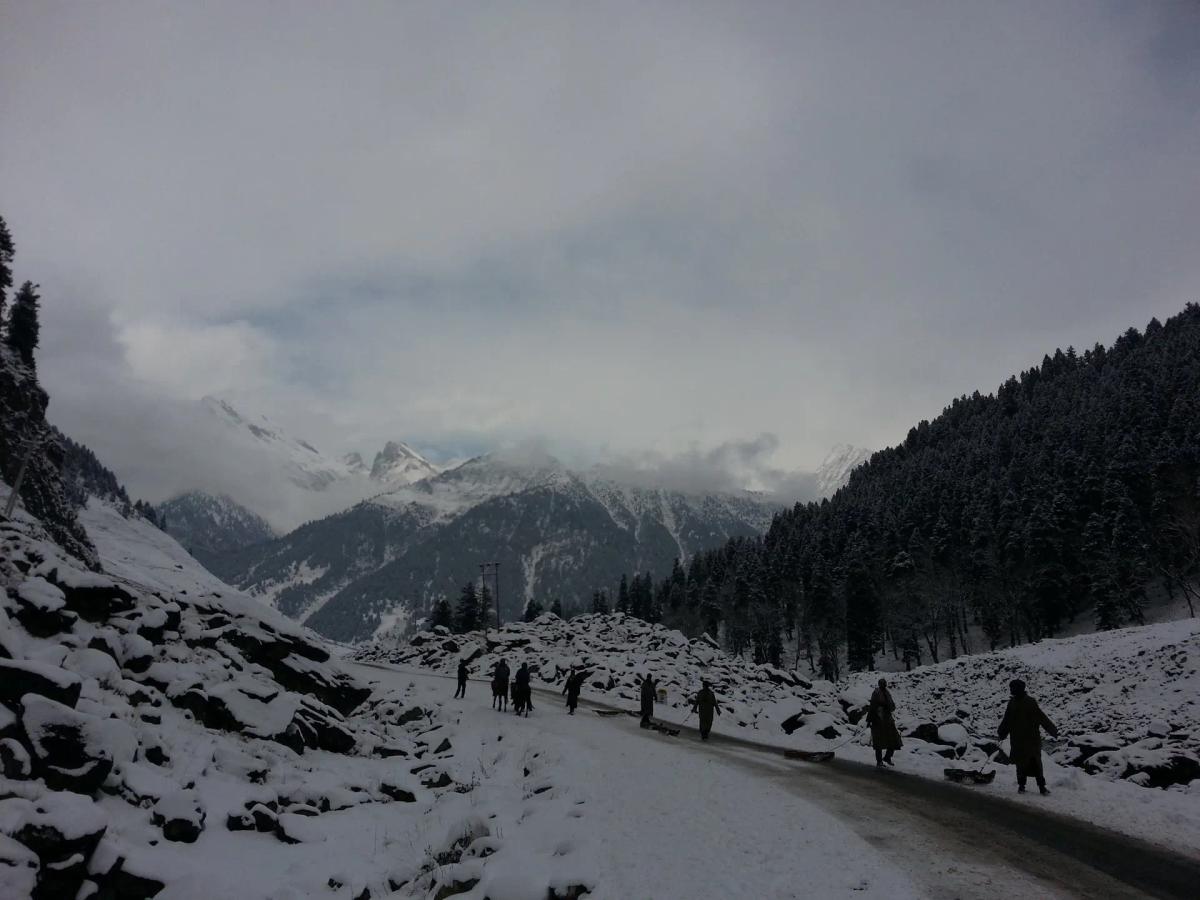
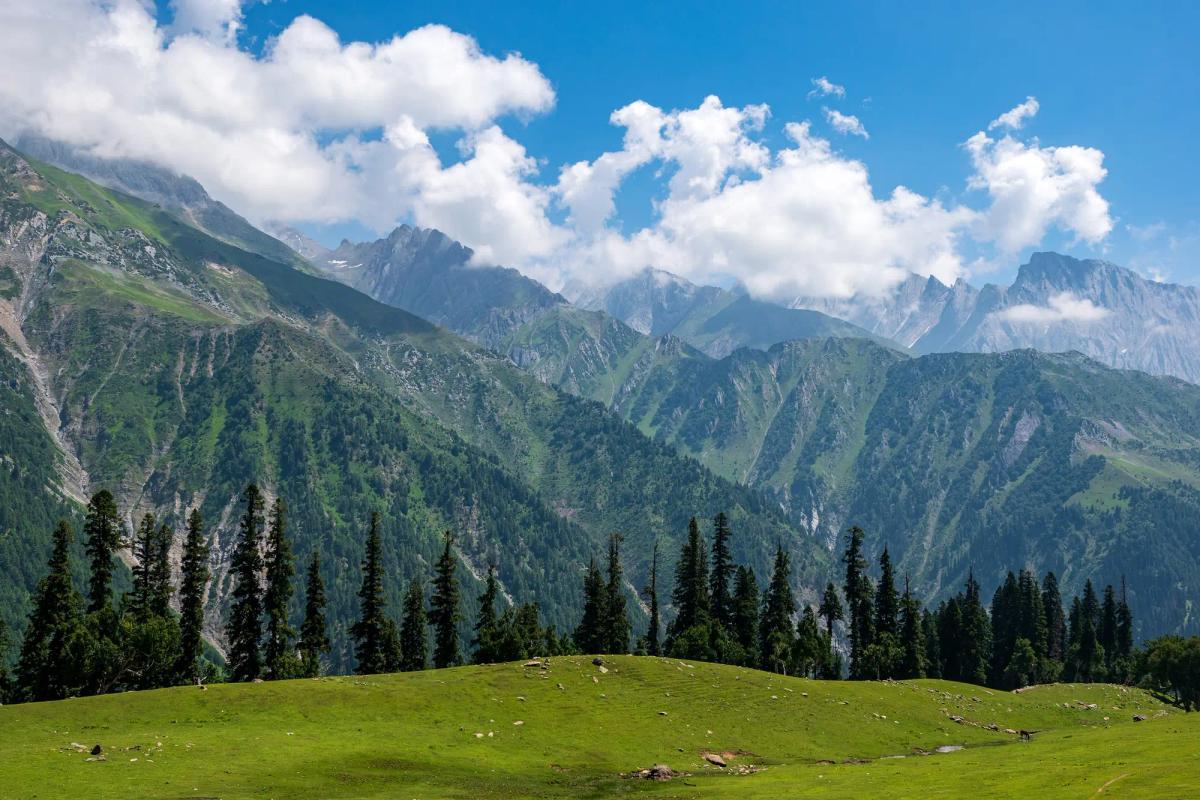
If you want harissa and snow in the same trip, plan for late December to January. Gulmarg and Sonamarg see most of their snow between December and March.
Where Can You Eat Harissa In Srinagar?
The traditional hub is the old city of Srinagar, known as Shahr-e-Khaas. Shops cluster around the kadals (bridges) of Ali Kadal, Saraf Kadal, Zaina Kadal, Nawa Kadal and Fateh Kadal, where hereditary cooks called harisaguyrs have worked for generations. Uptown areas such as Maisuma and Rajbagh now have shops too, and many restaurants serve it.
| Where | Best for | What to know |
|---|---|---|
| Old-city kadals | The most traditional experience | Go at first light, because shops often sell out early |
| Maisuma and Rajbagh | An easier, more central visit | Both areas now have popular shops |
| City restaurants | A later, more relaxed breakfast | Ask whether they cook it in the traditional pot style |
| Packed harissa | Gifts and takeaway | Makers sell it in boxes. Ask how long a pack stays fresh |
Shops change from year to year. The best one in a given week is the one with a pot ready. Ask your driver or host which shop opened this morning. If you stay with us in Kangan, tell us your dates and we will help you plan the morning.
How To Order And Eat Harissa Like A Local
Locals eat harissa on a large plate with side dishes, and many treat it as their main meal of the day. Kashmir Life quotes a regular customer who says breakfast on harissa fills him for the whole day. Here is how to order:
- Harissa: order a small plate first if it is your first time. Portions are generous.
- Kebabs and methi maaz: common sides. Methi maaz is a spiced lamb side dish.
- Kashmiri bread: use a crisp roll such as kander czot or tandoori bread to scoop it up.
- Noon chai or kahwa: a warm drink to finish.
- Takeaway: some regulars carry home a tiffin. Ask for a box if you prefer to eat at your stay.
Many customers arrive right after the dawn prayer, so expect a local crowd and queue politely.
Harissa Vs Haleem: What Is The Difference?
Harissa is a thick paste of mutton and rice, while haleem is thinner. People also confuse it with khichra, Al Harees and the North African chilli paste.
| Dish | What it is | Key difference |
|---|---|---|
| Kashmiri harissa | Mutton and rice, cooked to a thick paste | Winter breakfast in Kashmir |
| Haleem | A related slow-cooked dish | Thinner than harissa |
| Khichra | A similar dish with mutton cubes | Meat pieces stay visible |
| Al Harees | A Middle Eastern dish of meat and wheat | Uses wheat, not rice |
| North African harissa | A chilli paste | A condiment, not a meal |
Is Harissa Healthy?
Harissa gives you protein and warmth, but it is rich. Cooks use a lot of oil, and the dish is made from red meat. Enjoy it occasionally and share a plate if you watch your cholesterol.
Prof Iqbal Saleem, Senior Professor of Surgery at Government Medical College Srinagar, told Kashmir Life: “Harissa, made from red meat, contains high cholesterol.” This is general information, not medical advice. If you have a heart condition, ask your doctor before you indulge.
A Harissa Morning Plan From Kangan
You can fit a harissa breakfast into a three-day winter trip from our villa in Preng, Kangan.
- Day 1: Arrive in Srinagar and drive to the villa. Spend the evening by the bonfire.
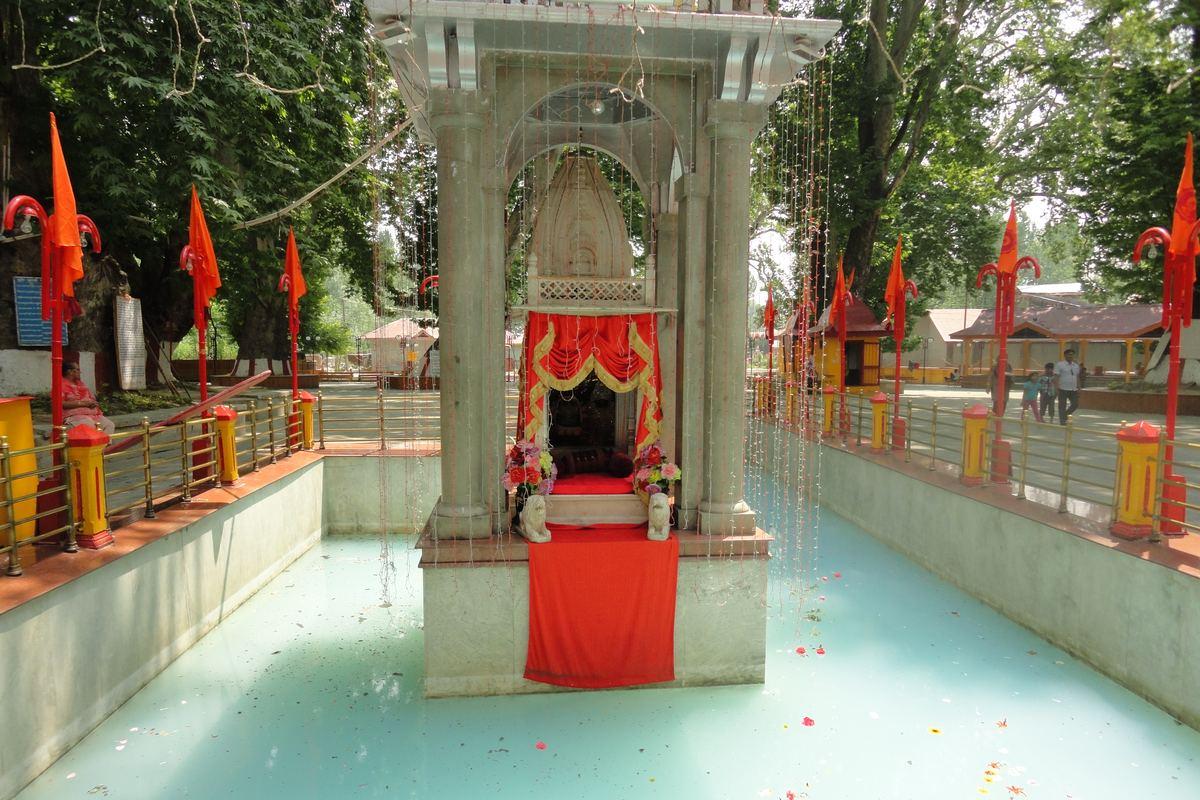
- Day 2: Leave early for the old city and reach a harissa shop soon after sunrise. Allow extra time for fog and icy patches. In the afternoon, visit Kheer Bhawani Temple (about 18 km from the villa) or Manasbal Lake (about 23 km).
- Day 3: Take a snow day to Sonamarg, about 48 km from the villa. Check road conditions the evening before.
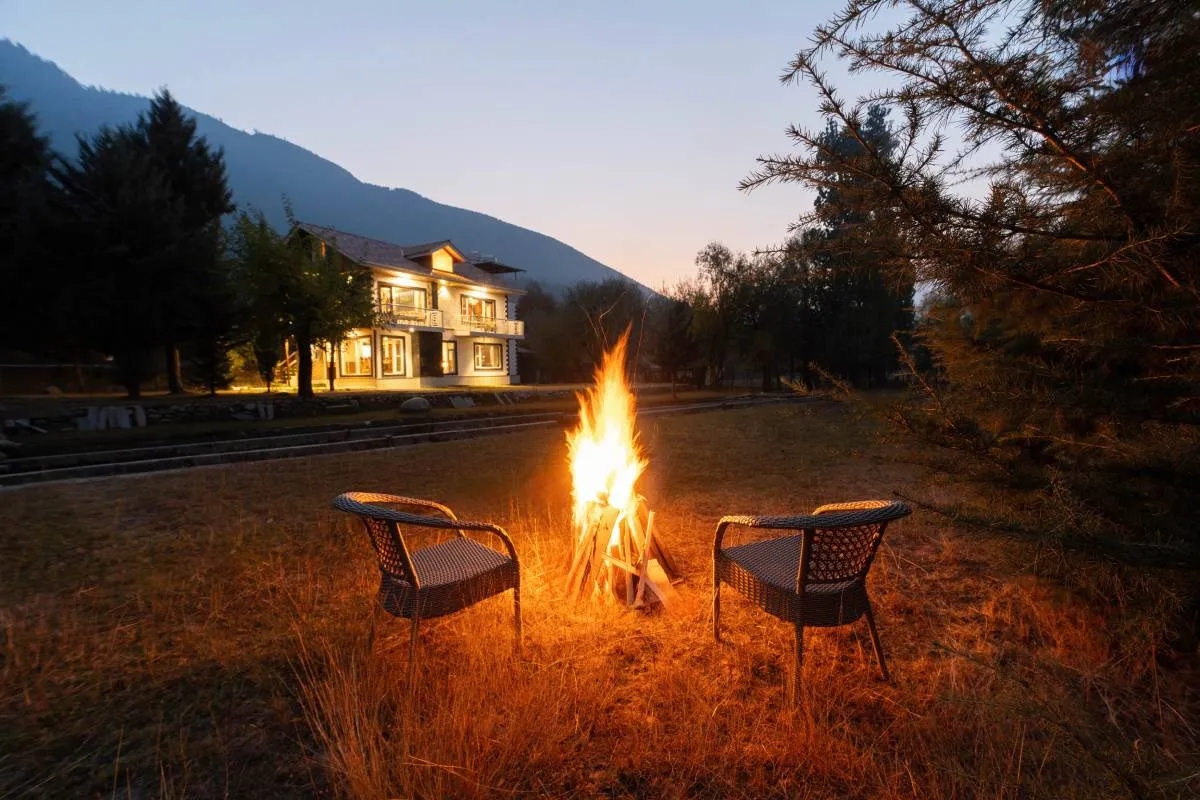
A bonfire on the lawn at Khwab Villa, where the first evening of the plan begins.
Flights From Mumbai To Srinagar
Direct flights from Mumbai to Srinagar take about 2 hours 45 minutes to 3 hours. IndiGo, Air India and Akasa Air have operated the route, but schedules change with the season, so check live timetables before you book.
- Pick a morning flight. Winter fog usually thickens later in the day.
- Check the airport code. Some flights now leave from Navi Mumbai (NMI), not Mumbai (BOM).
- Add a buffer day at the end of your trip in case fog delays your return flight.
Practical Tips For Your Harissa Breakfast
- Arrive at first light. Shops get busy from dawn and often sell out early.
- Dress in warm layers. Winter mornings in Srinagar can drop below freezing.
- Drive only after daylight on icy roads, and check the weather the night before.
- Harissa is always meat-based. Vegetarians can enjoy noon chai with fresh bread instead.
- Eat it occasionally and share a plate if you are new to it.
Cover photo: Harressa or Harees by Haisameldawi, CC BY-SA 4.0, via Wikimedia Commons, resized.
Harissa Kashmir FAQs
What is harissa in Kashmir?
Harissa in Kashmir is a thick, slow-cooked dish of mutton and rice, seasoned with mild spices and eaten at breakfast in winter. Cooks simmer it overnight in clay pots for 12 to 16 hours until it becomes a smooth paste.
When does harissa season start in Kashmir?
Harissa season runs from October to March. Some shops in Srinagar start serving in mid-October, and demand peaks during Chillai Kalan, the 40-day cold spell that begins on 21 December.
What time should you eat harissa in Srinagar?
Eat it at first light. Shops serve harissa early in the morning, many sell out soon after, and locals often arrive right after the dawn prayer.
Where can tourists eat harissa in Srinagar?
Downtown Srinagar is the traditional hub, especially the old-city kadals such as Ali Kadal and Saraf Kadal. Uptown areas like Maisuma and Rajbagh now have shops too, and several restaurants serve it.
Is Kashmiri harissa spicy?
No. Cooks use mild spices, and the richness comes from slow-cooked meat and hot oil poured on top. It is warming, not hot.
What is the difference between harissa and haleem?
Harissa is a thick paste of mutton and rice. Haleem is thinner. Khichra is similar but keeps visible pieces of mutton.
Is Kashmiri harissa the same as the North African chilli paste?
No. They share a name but not a recipe. Kashmiri harissa is a mutton and rice breakfast dish, while the North African version is a chilli condiment.
Is harissa healthy?
Harissa gives you protein and warmth, but it is rich. It is made from red meat with plenty of oil, so enjoy it occasionally and share a plate if you watch your cholesterol.
Can you take harissa home?
Yes. Many makers sell packed boxes, and some sell online. Ask the shop how long a pack stays fresh before you buy.
Are there direct flights from Mumbai to Srinagar?
Yes. Direct flights from Mumbai to Srinagar take about 2 hours 45 minutes to 3 hours. Schedules change with the season, so check live timetables before you book.
Plan Your Harissa Trip: Harissa tastes best when you stay close to Kashmir’s winter. A private villa in Kangan, Kashmir gives you a quiet base, a chef-served breakfast on return and a bonfire evening to end the day. You book the entire five-bedroom villa from Rs. 30,000 per night, taxes extra, with seasonal rates. Message us on WhatsApp at +91-8899004525 to check dates and plan your harissa morning.
About the author
Iqra Ahanger is an SEO specialist at Khwab Villa. She writes the villa’s Kashmir travel and food guides, and she builds each one around clear answers and named sources. Her aim is to help travellers plan a Kashmir trip with confidence.